
Introduction
Asset finance lets UK businesses acquire equipment, vehicles, and technology over time (typically 1–7 years) instead of paying the full cost of the asset upfront, with the asset itself usually acting as the main security for the finance agreement.
It’s designed to protect cash flow and working capital, making it suitable for everyone from sole traders and startups through to established SMEs across manufacturing, logistics, construction, healthcare, and professional services.
The main structures covered in this guide include: hire purchase (own at the end), finance lease (long-term rental), operating lease (shorter rental with upgrades), contract hire (vehicle leasing), asset refinancing (unlock cash from existing assets), and green asset finance (for EVs, solar, and sustainability projects).
Suitability depends on your individual circumstances, including your trading history, credit profile, the type of asset, and whether ownership matters to your business strategy.
What Is Asset Finance and How Does It Work?
Asset finance is a way for UK businesses to acquire essential equipment, vehicles, machinery, or technology without paying the full price upfront. Instead of finding £50,000 or £100,000 in cash to buy a piece of new equipment outright, you spread the cost over an agreed period, typically between one and seven years, making regular monthly payments that fit your budget.
Here’s how it works in practice. A specialist asset finance provider or bank purchases the asset on your behalf from the supplier. You then use that asset in your business from day one, making fixed monthly repayments that cover the principal amount plus interest. Depending on the type of finance agreement you choose, you may own the asset at the end, or you may simply return it and upgrade to something newer.
The asset itself acts as security for the arrangement. This means lenders are often more willing to approve applications than they might be for unsecured traditional loans, because if things go wrong, they can recover the equipment. VAT is typically handled on each payment (for leases) or on the full value at the start (for hire purchase), but your accountant can advise on the specifics for your situation.
What Can Be Financed?
Almost any identifiable, long-term asset with a predictable resale value can be considered for asset finance, subject to lender criteria. Common examples include:
- Commercial vehicles – HGVs, vans, coaches, and specialist transport
- Plant and machinery – CNC machines, fabrication equipment, agricultural and forestry equipment
- IT and telecoms – servers, laptops, phone systems, and networking infrastructure
- Medical and specialist equipment – diagnostic devices, dental chairs, laboratory kit
- Fit-outs – office refurbishments, hospitality and catering equipment, warehouse racking
It’s worth noting that finance is always subject to status and credit approval. The asset secures the borrowing, which means it may be repossessed if repayments are not maintained.
Main Types of Asset Finance Explained
Choosing the right structure is one of the most important decisions you’ll make. Each type of asset finance works differently in terms of ownership, tax treatment, balance sheet impact, and flexibility.
This section serves as your roadmap. We’ll cover the main finance solutions available to UK businesses: hire purchase, finance lease, operating lease, contract hire, balloon and contract purchase options, and asset refinancing. There’s no single “best” option, it depends entirely on your cash flow needs, whether you want to own the asset, and how the arrangement will appear in your accounts.
As you read through, note down which products sound relevant to your situation. That way, when you speak to Business Finance Group or another adviser, you can ask more focused questions and compare like with like.
Hire Purchase (HP)
Hire purchase is one of the most straightforward ways for UK businesses to finance assets. Under an HP agreement, you use the asset from day one, make fixed monthly repayments over the term (usually 2–5 years for vehicles and equipment), and own the asset outright after the final instalment and any small option-to-purchase fee.
How it works:
- You typically pay a deposit of 5–20% of the asset value (though some lenders offer 0% deposit for strong applicants)
- Fixed or variable interest is charged on the balance
- Payments are spread evenly across the term
- At the end, you own the business assets outright
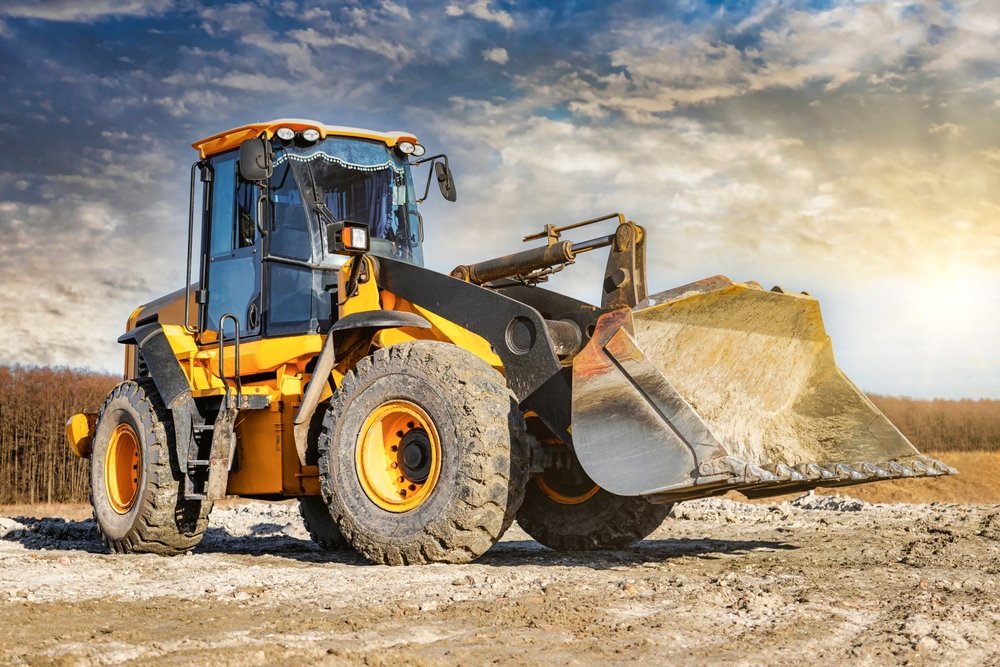
Example: A construction firm needs a £75,000 excavator in 2025. Rather than paying the asset upfront, they put down a 10% deposit (£7,500) and finance the remaining £67,500 over four years. Monthly payments are predictable, and at the end, the excavator belongs to the business.
Potential tax benefits: Depending on your circumstances, you may be able to claim capital allowances on the asset, including the Annual Investment Allowance or full expensing for qualifying plant and machinery. Always seek advice from your accountant on tax reliefs.
Pros:
- You gain ownership at the end
- Fixed payments help with budgeting
- The asset appears on your balance sheet
Cons:
- You’re committed to a long-term agreement
- Responsibility for maintenance and insurance sits with you
- Early settlement may incur fees
Finance Lease
A finance lease is a long-term rental arrangement where the finance provider owns the asset throughout, but your business has most of the “risks and rewards” of ownership. Rentals are spread over most of the asset’s useful life, and you pay VAT on each monthly payment rather than upfront.
How it works:
- The lender purchases the asset and leases it to you
- Lease terms typically run 3–7 years
- At the end of the lease, you may have options such as extending for a nominal fee (sometimes called a “peppercorn rental”) or arranging a sale on the funder’s behalf.
- Ownership does not automatically transfer
Example: A manufacturer needs a £200,000 printing press. They enter a finance lease over five years, paying monthly rentals that reflect the cost of the asset plus interest. At term end, they extend the lease for £1 per year while continuing to use the machine.
This structure suits businesses that prioritise use of the asset over eventual ownership, or those who want to keep borrowing arrangements structured in a particular way on their balance sheet (though accounting treatment has changed under some standards, check with your accountant).
Pros:
- Lower initial outlay than buying outright
- Rentals may be tax-deductible as an operating expense
- Flexibility at term end
Cons:
- No automatic ownership
- You bear maintenance and insurance obligations
- The asset remains the lender’s property
Operating Lease
An operating lease is a shorter-term rental where the lender expects to recover part of the asset’s value (the residual value) when you return it at the end. Because the lender takes on some of the future value risk, monthly payments can be lower than those of a finance lease.
How it works:
- The lease term is typically shorter than the asset’s useful life
- You return the asset at the end (or extend/upgrade)
- Maintenance can sometimes be bundled into the rentals
- Lower monthly payments reflect the residual value the funder expects to recover
When it’s useful: Operating leases suit assets that date quickly or need regular upgrades, think IT hardware, office equipment, and some specialist machinery. If you’re running a business where having the latest equipment gives you a competitive edge, this structure makes regular refreshes easier.
Comparing operating vs finance leases: The key differences are term length, residual value, and who bears the risk of the asset’s future worth. With an operating lease, the funder takes more of that risk. With a finance lease, you typically pay for most of the asset’s value over the term.
At the end of the rental period, you’ll usually have options: return the asset, extend the lease, or upgrade to new equipment under a fresh agreement.
Contract Hire (Vehicle Leasing)
Contract hire is the most common form of operating lease, specifically for business cars, vans, and commercial vehicles. You agree on a fixed term, fixed mileage, and fixed monthly rentals, then hand the vehicle back at the end.
How it works:
- Terms typically run 2–4 years with agreed mileage limits (e.g., 10,000–30,000 miles per year)
- Monthly payments can include maintenance, tyres, and roadside assistance
- At the end of the term, you return the vehicle, no ownership, no resale worries
- Excess mileage or damage beyond “fair wear and tear” triggers end-of-contract charges
UK context for 2025: Many businesses are using contract hire to build electric vehicle fleets ahead of the planned 2035 phase-out of new petrol and diesel cars and vans. Contract hire makes it easier to transition to electric vehicles without committing to ownership of rapidly evolving technology.
Main appeal: You don’t need to worry about resale values, budgeting is simpler for fleet managers, and you can upgrade to newer, cleaner vehicles regularly. The trade-off is that you never own the asset and face strict usage conditions.
Balloon Payments & Contract Purchase (Especially for Vehicles)
Some finance agreements include a balloon payment, a larger lump sum due at the very end of the term. This structure lowers your monthly payments during the agreement because you’re deferring part of the cost.
How it works:
- Monthly repayments are lower than a standard HP because you’re not paying off the full value
- At the end, you face a balloon (or “final payment”) that roughly reflects the vehicle’s expected future value
- You can pay the balloon to own the asset, refinance it, or (with some products) return the vehicle
Example: A business finances a £40,000 car in 2025 with a £12,000 balloon due after four years. Monthly payments are lower than straight-line hire purchase, but at term end, the business must find £12,000 to own the car, or hand it back.
Risks to consider: If the asset’s value falls more than expected, or if mileage and condition are worse than assumed, the balloon may exceed what the vehicle is actually worth. This can create a funding gap if you plan to sell the asset to cover the balloon.
This option suits businesses wanting lower monthly costs and flexibility at term end, as long as they’re comfortable planning for that final payment.
Asset Refinance (Using Existing Assets to Raise Cash)
Asset refinancing is different from the other options because it doesn’t involve buying new assets. Instead, you use equipment your business already owns (or is close to owning) as security for a new finance agreement, unlocking working capital that’s currently tied up.
How it works:
- The lender values your existing asset (e.g., a paid-off £100,000 CNC machine)
- They advance a percentage of that value, often 60–80%, depending on the asset and condition
- You repay over an agreed term, with the asset as security
- If repayments aren’t maintained, the asset can be repossessed
Common uses:
- Funding growth without selling productive equipment
- Smoothing cash flow during seasonal dips
- Consolidating more expensive borrowing (e.g., overdrafts or short-term loans)
You can refinance existing assets, including vehicles, plant, machinery, and IT equipment, provided they have sufficient residual value.
Important warning: Placing business-critical assets under a finance agreement introduces the risk of losing them if repayments cannot be met. If the asset is essential to your operations, think carefully and take professional advice before proceeding.
What Can You Finance?
Nearly any identifiable, long-term business asset with a predictable resale value can be considered for asset finance, subject to lender criteria. The key question lenders ask is: “If this business defaults, can we recover the asset and sell it for a reasonable amount?”
Common Asset Categories
Some lenders also finance “soft” assets like software licences, audio-visual systems, and office furniture, though terms may differ due to weaker resale values.
Green Assets
There’s an increasing appetite from asset finance providers for green assets as UK businesses work toward net zero. This includes electric vehicles, solar PV installations, battery storage (often financed alongside solar), heat pumps, and energy-efficient manufacturing equipment. Specific green asset finance schemes may offer preferential terms or additional support.
Benefits of Asset Finance for UK Businesses
Spreading the cost of new equipment is the obvious benefit, but several other business advantages make asset finance a strategic tool for growth, especially in the current economic climate.
Protecting Cash Flow and Working Capital
Financing a £100,000 asset over five years (instead of paying upfront) keeps cash available for wages, stock, marketing, and contingencies. In uncertain economic conditions, that buffer can be the difference between surviving a tough quarter and running into serious trouble.
Fixed monthly payments also help with budgeting. You know exactly what’s going out each month, removing the strain of lumpy capital expenditure. This is particularly valuable for SMEs with uneven revenue patterns.
Asset finance can often be arranged more quickly than a traditional business loan, helping businesses act on time-sensitive opportunities, like a discounted piece of machinery available for a limited period.
Matching Costs to Revenue
One of the smartest aspects of asset finance is the ability to align your payments with the income the asset generates. If a new truck earns revenue over five years, spreading repayments over that period makes the investment self-funding.
Seasonal payment profiles may also be available with some lenders. Businesses in agriculture, tourism, or construction, where income fluctuates throughout the year, can sometimes negotiate lower payments during quieter months.
This “pay as you earn” approach can make investment decisions easier to justify to directors, shareholders, or business partners.
Preserving Existing Banking Facilities
Asset finance usually sits alongside, rather than replacing, your overdraft and working capital facilities from your main bank. By using specialist asset finance for equipment and vehicles, you keep core bank lines free for short-term needs, emergencies, or acquisition opportunities.
The UK market includes high street banks, independent finance houses, and specialist lenders, creating options and competition. Business Finance Group can help compare offers across multiple providers, so you’re not relying on a single quote.
One important note: multiple facilities mean multiple obligations. Before signing a new agreement, map out your total committed outgoings to ensure everything remains affordable.
Potential Tax and Accounting Advantages
This section gives only high-level pointers; you must seek tailored advice from your accountant or tax adviser before making decisions based on tax treatment.
Depending on the product and structure:
- Hire purchase: You may be able to claim capital allowances on the asset, including the Annual Investment Allowance or full expensing for qualifying plant and machinery
- Leases: Rentals may be treated as deductible operating expenses against profits
- Low-emission vehicles: Specific reliefs and allowances may apply for qualifying green assets
The accounting treatment differs between HP, finance lease, and operating lease, and may influence key ratios on your balance sheet and profit and loss. Consider how each option will appear in your accounts before committing.
Operational Flexibility and Keeping Technology Current
Leasing and contract hire can make it easier to refresh assets regularly. If your business relies on having the latest equipment for efficiency or compliance, non-ownership models reduce the risk of being stuck with outdated kit.
Examples:
- Upgrading servers every three years to maintain cybersecurity standards
- Renewing a vehicle fleet in line with tightening emissions rules
- Updating medical and diagnostic equipment as technology advances
Maintenance-inclusive packages can stabilise running costs and reduce unexpected repair bills. For assets with rapidly changing technology or compliance standards, this approach can be valuable.
However, constant upgrading can increase long-term costs if not managed carefully. Balance the benefits of staying current against the total cost of multiple successive agreements.
Risks and Drawbacks You Need to Consider
Asset finance is powerful, but it’s not risk-free. Understanding the downsides is crucial before signing any finance agreement.
Total Cost of Finance
While asset finance improves affordability in the short term, interest and fees mean the total amount repaid will usually exceed the cash purchase price.
Example comparison:
Always compare the “total amount payable” across quotes, not just the monthly figure. Check for arrangement fees, documentation fees, and end-of-contract charges. Be wary of teaser rates or very low initial rentals that may be offset by high final payments.
Also consider the asset’s expected useful life. Financing over a longer term than the asset will actually last means you could be paying for something that’s already obsolete or worn out.
Ownership, Control and Usage Limits
Not all finance options lead to ownership:
With non-ownership structures, you may face mileage caps, geographic use restrictions, or limitations on modifications. Exceeding contracted mileage by 10,000 miles or returning a van in poor condition can trigger substantial end-of-contract charges.
Match your product choice to how intensively and flexibly you need to use the asset over time.
Damage, Maintenance and Insurance
For most agreements, you’re responsible for insuring the asset and keeping it in good working order throughout the lease term. Proof of comprehensive insurance is often a condition of the finance agreement; lapses can cause serious issues.
Some contract hire deals include maintenance, but many arrangements do not. Poor maintenance can lead to breach of contract, reduced resale value, or additional charges at term end.
Practical tip: Budget not only for the finance payment, but also for insurance, servicing, and repairs.
Term Length, Early Settlement and Flexibility
Typical asset finance terms range from 1–7 years, depending on the asset type. Ideally, the term should align with the asset’s expected useful life.
Early settlement is usually possible but may involve break costs or early termination fees. A business that wants to sell a machine after two years of a five-year agreement may need to pay a settlement figure that includes future rentals and charges.
Check whether agreements allow for part-exchange, upgrades, or re-gear options if the business wants to change assets mid-term. Overly long terms may look attractive due to low monthly payments, but create rigidity if needs change.
Default and Repossession Risk
Missing payments or breaching terms can lead to repossession of the asset and negative marks on your business’s credit profile.
Lenders typically take staged actions: reminder letters, arrears arrangements, and, if not resolved, recovery of the asset. For smaller, regulated agreements (e.g., some hire purchase agreements to sole traders and small partnerships under £25,000 where consumer credit activities apply), there are specific protections, but defaults are still serious.
The operational risk is real: Losing a key asset like a delivery van or main production machine can harm your ability to trade and generate income.
Be realistic about affordability, stress-test your cash flow, and contact the lender early if you anticipate problems with future payments.
Questions to Ask Before Signing
- What is the total amount payable over the full term?
- What fees apply (arrangement, documentation, end-of-contract)?
- What are my options at term’s end?
- What are the early settlement terms and costs?
- What happens if I exceed mileage or usage limits?
- What insurance and maintenance am I responsible for?
- What happens if I miss payments?
Asset Finance vs Asset Refinancing: What’s the Difference?
These terms sound similar but serve different purposes:
Asset finance is about funding new acquisitions, a new machine, a new van, or new equipment for growth.
Asset refinancing is about unlocking working capital that’s currently tied up in equipment you already own. It’s useful when you need cash for a large order, a temporary cash crunch, or restructuring expensive short-term borrowing.
Example contrast:
- Asset finance: Using hire purchase to buy a new £80,000 machine in 2025
- Asset refinancing: Releasing £50,000 cash against a fully owned £80,000 machine you already have
The key risk with refinancing is that you’re placing essential existing assets under a finance agreement. If repayments cannot be met, you could lose equipment that’s critical to your operations.
Is Your Business Eligible for Asset Finance?
Asset finance is used by a wide range of UK businesses:
- Sole traders
- Partnerships
- Limited companies and LLPs
- Charities and some public sector bodies
Common Eligibility Factors
Lenders typically consider:
- Time trading: Startups may qualify but often face stricter terms or higher deposits
- Financial performance: Profitability, turnover, and management accounts
- Credit history: Both business and personal credit (for directors of smaller companies)
- Existing debts: Current borrowing and repayment commitments
- Asset type and age: New assets are generally easier to finance than older equipment
Typical Documentation Required
- Recent accounts (filed and/or management)
- Bank statements (3–6 months)
- Details of the asset and supplier quote
- Proof of identity for directors/owners
- Business plan (for larger or more complex deals)
Quick Eligibility Checklist
Ask yourself:
- [ ] Has the business been trading for at least 6–12 months? (Newer businesses may still qualify, but with conditions)
- [ ] Are accounts and bank statements up to date and available?
- [ ] Is the asset clearly identifiable with a predictable resale value?
- [ ] Can the business afford the monthly repayments alongside existing commitments?
- [ ] Are directors prepared to provide personal guarantees if required?
How to Choose the Right Asset Finance Provider
The UK market includes several types of funders:
- High street banks – Familiar names, often bundled with other business banking
- Specialist asset finance lenders – Focused expertise, sometimes more flexible
- Manufacturer captive finance companies – Finance arms of equipment or vehicle manufacturers
- Brokers and intermediaries – Like Business Finance Group, who access multiple funders on your behalf
Key Comparison Factors
Why Use a Broker?
A broker can add value by:
- Accessing multiple funders to find competitive terms
- Structuring deals to suit your cash flow
- Helping negotiate deposits, balloons, and residual values
- Guiding you through the process from application to payout
Business Finance Group works as an independent partner, comparing finance options across the market and helping your business access the right funding options for your situation.
Step-by-Step: Applying for Asset Finance in the UK
The application process in 2024–2025 is largely digital, with e-signatures and often remote asset inspections. Here’s a practical walkthrough:
Stage 1: Define Your Requirement
- Identify the asset you need and get supplier quotes
- Decide on your budget for monthly payments
- Consider which financial structure suits your needs
Stage 2: Source Quotes
- Approach lenders directly or work with a broker
- Request indicative terms from multiple providers
- Compare total cost, not just monthly figures
Stage 3: Formal Application
- Submit your application with supporting documents
- Provide accounts, bank statements, asset details, and ID
Stage 4: Credit Assessment
- Lender reviews your financials and credit profile
- They may request additional finance information or a site visit for larger deals
- Decision timelines vary: smaller deals are often approved in 24–72 hours; larger or complex transactions take longer
Stage 5: Documentation and Payout
- Review and sign the finance agreement (often electronically)
- Funds are released to the supplier
- You take delivery of the asset and begin payments
Practical Tips
- Be consistent: Ensure financial information matches across documents
- Prepare in advance: Have accounts and bank statements ready before applying
- Compare offers: Don’t accept the first quote, shop around
- Read the small print: Understand fees, charges, and end-of-term options
- Ask questions: Clarify anything you don’t understand before signing
Green Asset Finance and the Move to Net Zero
Green asset finance refers to finance products specifically targeted at low-carbon or energy-efficient assets. In 2025, this is one of the fastest-growing areas of the market as UK businesses work toward sustainability goals.
What Qualifies as a Green Asset?
- Electric vehicles and charging infrastructure
- Rooftop solar PV installations
- Battery storage (often financed alongside solar)
- Heat pumps and biomass boilers
- Energy-efficient manufacturing equipment
- LED lighting and building efficiency upgrades
Why Consider Green Asset Finance?
The UK government has set ambitious targets, including the planned 2035 phase-out of new petrol and diesel cars and vans. Businesses are under increasing pressure to reduce Scope 1 and 2 emissions.
Financial upsides can include:
- Lower running costs: Electricity vs fuel for fleets
- Potential grants or incentives: Government schemes for green investment
- Capital allowances: On certain qualifying green assets
- Reputational benefits: Meeting customer and stakeholder expectations
Some lenders offer preferential rates, sometimes 0.5–1% lower, for qualifying green assets.
When you’re upgrading or replacing assets, consider whether a green alternative could help your business and the environment. Business Finance Group can help identify suitable green finance options and requirements.
Frequently Asked Questions (FAQ)
Can I use asset finance for second-hand or auction equipment?
Yes, many UK funders will finance quality used assets. However, they’ll typically want to assess age, condition, and provenance. For auction purchases, you may need a valuation or inspection before funds are released. Terms may differ from financing new equipment, expect potentially higher rates or shorter terms for older assets.
Do I always need to pay a deposit?
Deposits are common, often 5–20% of the asset value, but not always required. Some lenders offer 100% financing depending on your credit profile, the type of asset, and the overall deal structure. Strong applicants with good trading history may be able to negotiate lower or no deposits. When comparing offers, factor in how deposit size affects your monthly payments and total cost.
Will I need to give a personal guarantee?
Many lenders ask SME directors for personal guarantees, particularly for newer businesses, higher-risk cases, or where the business has limited assets or trading history. A personal guarantee means you’re personally liable if the business cannot repay. The requirement depends on the strength of the business, the value of the asset, and the lender’s risk appetite. Always understand what you’re signing and take advice if unsure.
Can I settle my asset finance agreement early?
Early settlement is usually possible, but it typically involves paying a settlement figure that includes some or all of the remaining rentals, plus potential fees. The exact calculation depends on the type of agreement and the lender’s terms. For hire purchase, you may owe less once you’ve paid a certain percentage. For leases, break costs can be high. Always check early settlement terms before signing, and request a settlement quote from your lender if you’re considering this option.
How do interest rates and economic conditions in 2024–2025 affect asset finance?
Higher base rates in recent years have increased finance costs compared to the ultra-low rate environment of the 2010s. This makes it more important than ever to compare quotes, negotiate terms, and structure agreements carefully. That said, asset finance remains competitive because the asset provides security, and lenders may be more willing to offer reasonable rates than for unsecured borrowing. A broker can help you navigate the market and find the best available terms for your individual circumstances.
Final Thoughts
Asset finance could be a strategic tool for UK businesses looking to grow, upgrade equipment, or manage cash flow more effectively. From hire purchase agreements that lead to ownership, to operating leases that keep you at the cutting edge of technology, there’s a structure to suit most situations.
The right choice depends on your specific needs: whether you want to own the asset, how the arrangement affects your balance sheet, what you can afford each month, and how long you’ll need the equipment.
What matters most is understanding your options before you commit. Read the finance agreement carefully, ask questions, compare multiple quotes, and take professional advice on tax and accounting implications.
Ready to explore your options? Business Finance Group can help your business compare asset finance solutions across multiple providers, guiding you toward the right structure for your circumstances. Whether you’re looking to apply online for a straightforward vehicle deal or need additional finance for specialist equipment, speaking to an industry expert can save time and money.
Get in touch to discuss your requirements and find out what’s available for your business in 2025.